
“Check your mirrors!”
If you’re learning to drive, you’ve probably heard those three words more times than you can count. And if you haven’t, give it time!
But here’s something worth remembering: good mirror use isn’t about how often you look. It’s about knowing when to look, what you’re looking for and what to do with the information.
Your mirrors help you understand what’s happening behind and alongside your car, giving you time to make safe decisions.
Whether you’re just starting your driving lessons or preparing for your practical test, let’s look at how to use your mirrors properly.
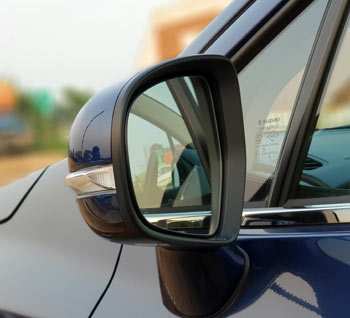
When Should You Check Your Mirrors?
A good rule to remember is to check your mirrors before changing speed, direction or road position.
That doesn’t mean staring into them every few seconds. Your main attention should be on the road ahead, with quick, purposeful mirror checks whenever the situation calls for them.
Here are some everyday examples.
1. Before Slowing Down or Stopping
Imagine you’re approaching a red traffic light.
You’ve spotted it ahead and know you’ll need to slow down. Before braking, check your interior mirror to see what’s happening behind you.
Is another car following closely? Is there a cyclist behind you? How might your braking affect them?
Knowing what’s behind helps you plan your braking smoothly and safely.
Geoff’s Tip: Don’t wait until you’ve already started braking to check your mirror. Look early enough to make use of what you see. And remember, a vehicle following too closely doesn’t mean you should ignore a red light or delay necessary braking!
2. Before Turning Left or Right
When approaching a junction, your mirrors help you understand what’s happening around your vehicle before you signal and turn.
- Turning left: Check your interior and left door mirror. Pay particular attention to cyclists or motorcyclists who may be alongside you.
- Turning right: Check your interior and right door mirror. Look for vehicles that may be overtaking or approaching from behind.
Make your checks early enough to plan your signal, position and speed.
And remember, mirror checks don’t replace looking properly into the road you’re turning into.
Geoff’s Tip: Just because you’ve indicated doesn’t mean it’s safe to turn. Keep assessing the situation. Other road users don’t always do what you expect!
3. Before Changing Lanes or Moving Around Parked Cars
Whether you’re changing lanes on a dual carriageway or moving out to pass a parked vehicle, you need to know what’s happening behind and beside you.
Check your interior mirror and the door mirror on the side you’re moving towards.
You may also need a blind-spot check to make sure there’s nothing hidden from view.
If another vehicle is approaching quickly, you might need to wait rather than move out.
Geoff’s Tip: A mirror check tells you what’s happening at that moment. If you wait before moving, check again. Traffic doesn’t stand still while you’re making your mind up!
4. When Approaching Roundabouts
Roundabouts can feel quite demanding when you’re learning to drive. You’re watching signs, road markings, approaching traffic and your exit, often all at once.
Mirror checks are part of your preparation.
Before slowing down, check what’s behind you. Before changing position or signalling, check the relevant mirrors.
As you approach your exit, use the appropriate mirrors before signalling left and leaving, while continuing to watch for other road users.
Geoff’s Tip: Don’t get so caught up watching traffic from the right that you forget what’s happening around your own car. Plan early, keep looking and don’t rush.
5. Before Moving Off
When you’re parked at the side of the road and ready to move away, checking your mirrors is only part of the job.
You also need to look around the vehicle, including your blind spots, before deciding whether it’s safe to move.
A cyclist, pedestrian or vehicle could be approaching from somewhere your mirrors don’t show.
Geoff’s Tip: Take your time with your observations. Moving off safely is far more important than moving off quickly.
Which Mirror Should You Use?
Your car has three main mirrors, and each gives you different information.
| Mirror | What it helps you see |
|---|---|
| Interior rear-view mirror | Traffic directly behind you, including its position and distance. |
| Left door mirror | Traffic and other road users behind and alongside the left of your car. |
| Right door mirror | Traffic and other road users behind and alongside the right of your car. |
You won’t necessarily need all three mirrors every time.
The important thing is choosing the mirrors that give you the information you need for your next action.
And, of course, they need to be positioned correctly in the first place!
If you’re unsure, take a look at our guide to how to adjust your car mirrors.
Don’t Forget Your Blind Spots
Here’s something every learner needs to understand.
Your mirrors cannot show you everything around your vehicle.
There are areas that remain hidden from view, even when your mirrors are adjusted correctly. These are called blind spots.
Before moving off, changing lanes or making certain manoeuvres, you may need to turn your head to check these areas directly.
This is particularly important when cyclists, motorcyclists or pedestrians could be nearby.
You can learn more in our guide to understanding blind spots.
Mirror Checks and Your Driving Test
Mirror use is something your driving examiner will assess throughout your practical driving test.
The examiner wants to see that you’re aware of other road users and making safe decisions before changing speed, direction or position.
Some common mirror-related mistakes include:
- Forgetting to check before slowing down.
- Checking the wrong mirror before turning or changing position.
- Checking too late to make use of the information.
- Failing to check again when a situation changes.
- Looking in a mirror but not responding appropriately to another road user.
Can You Fail Your Driving Test for Not Checking Your Mirrors?
Yes, inadequate mirror use can result in driving faults.
Whether a mistake is recorded as a driving fault, serious fault or dangerous fault depends on the circumstances and the potential or actual danger involved.
Repeated mistakes can also become a serious fault.
However, missing one mirror check doesn’t automatically mean you’ve failed.
The important thing is to keep driving safely and concentrate on what happens next.
Do You Need to Exaggerate Your Head Movements?
No. You don’t need to make dramatic head movements every time you check a mirror.
Your checks should be natural, deliberate and effective.
The examiner needs to be able to assess your observations, but the aim isn’t to put on a performance. It’s to demonstrate that you know what’s happening around your vehicle.
Geoff’s Tip: Your driving test isn’t an audition for a bobblehead competition! Make your checks properly, but keep your attention where it belongs.
How to Get Better at Using Your Mirrors
If you regularly forget your mirror checks, don’t worry. It’s a skill that improves with practice.
Here are a few things that can help.
Think ahead. The earlier you recognise that you’ll need to slow down, turn or change position, the more time you have to make your observations.
Link checks to decisions. Rather than trying to remember a set number of mirror checks, think about what you’re planning to do next.
Practise the routines. Mirror, Signal, Manoeuvre (MSM) and the hazard drill help you develop a consistent approach to everyday driving situations.
Talk through your decisions. During a lesson, your instructor might encourage you to explain what you’ve noticed and what you’re planning to do. This can help you understand the purpose of each observation.
Keep your eyes moving. Good driving involves looking well ahead, checking your surroundings and anticipating what other road users might do.
Most importantly, don’t expect everything to become automatic overnight

Geoff’s Final Thoughts: It’s Not About How Many Times You Look
After more than 30 years in driver training, one thing I’ve learned is that good driving isn’t about memorising a list of actions.
It’s about understanding why you’re doing them.
Your mirrors are there to help you make decisions, not simply to keep your driving instructor happy!
So next time you hear “Check your mirrors”, don’t just have a quick glance and forget about it.
Think about what you’ve seen and whether it affects what you’re planning to do.
Learning to Drive? We’re Here to Help
Whether you’re learning in a manual or automatic car, developing good observation skills is an important part of becoming a safe, confident driver.
At Geoff Capes Driving School, our experienced instructors will help you build these skills at your own pace, from your first lesson through to preparing for your driving test.
Find out more about our manual driving lessons and automatic driving lessons.
