
When most people think about learning to drive, they picture a 17-year-old who’s been counting down the days until they can get behind the wheel.
But what if you’re 35, 48, 60 or even older? Have you left it too late?
Absolutely not.
I’ve been helping people learn to drive for over 30 years, and one thing I’ve learnt is that age doesn’t tell you how good a driver someone will become.
Some younger learners pick things up quickly. Others take a little longer. And exactly the same applies to older learners.
Perhaps you’ve never needed a car before, your circumstances have changed, or you’ve simply decided it’s finally time to get your driving licence.
Whatever your reason, there’s no need to feel embarrassed about starting later in life.
And if you’re worried about being the oldest learner on the road, I can assure you your driving instructor won’t be keeping score!
Is There an Age Limit for Learning to Drive?
In the UK, most people can start learning to drive a car at 17, but there’s no upper age limit.
As long as you meet the relevant licensing and medical fitness requirements, you can learn to drive in your 30s, 40s, 50s, 60s or beyond.
In fact, there are plenty of reasons why someone might decide to learn later in life.
Perhaps you’ve always relied on public transport, your partner has previously done the driving, or a new job means having a car would make life easier.
Or maybe it’s simply something you’ve always wanted to do.
Whatever your age, the important thing is finding an instructor who understands your needs and helps you learn at a pace that suits you.
Is It Harder to Learn to Drive When You’re Older?
This is probably the question I hear most often from older learners.
The answer? Not necessarily, but you might approach learning differently.
Younger learners sometimes have fewer preconceived ideas about driving. They may also have more opportunities to practise regularly, particularly if they’re still living at home and have access to a family car.
Older learners, on the other hand, often bring valuable life experience, patience and a more considered approach to decision-making.
Of course, learning something completely new can feel a bit daunting, especially if you haven’t taken a test or had to learn a practical skill for years.
You might find yourself overthinking things or worrying about making mistakes.
But none of that means you can’t become a good driver.
I’ve taught people of all ages, and I can tell you that confidence, regular practice and a willingness to learn are far more useful things to focus on than the number on your birthday cake.
Do Younger People Learn to Drive Faster?
Sometimes, yes. But not always.
There’s no set number of lessons that someone should need based on their age.
A confident 18-year-old might learn quickly, while another learner of the same age could need considerably more practice.
Equally, someone learning at 50 might pick up the basics surprisingly quickly but need a little longer to feel comfortable in busy traffic.
Everyone is different.
It’s also worth remembering that learning quickly isn’t the same as becoming a safe driver.
Passing your test is important, of course, but so is being able to make sensible decisions, anticipate hazards and handle everyday driving situations independently.
I’d much rather see someone take a few extra lessons and become a confident, capable driver than rush towards their test before they’re ready.
Learning to Drive in Your 30s, 40s, 50s or 60s
There are a few things that can make learning later in life feel different.
Finding Time for Lessons
At 17, you might have fewer responsibilities to juggle.
At 40 or 50, you’ve potentially got work, children, family commitments and a diary that seems to fill itself!
Regular lessons can help you build on what you’ve learnt, but there’s no need to compare your progress with someone who has much more free time.
Feeling Nervous About Starting
Some older learners worry about looking silly or making mistakes in front of other drivers.
I can promise you, we’ve seen it all before!
Nobody gets behind the wheel for the first time knowing how to do everything. That’s why you’re having lessons.
A good instructor will explain things clearly, give you time to practise and help you build confidence without making you feel under pressure.
If you’re particularly worried, our beginner driving lessons are designed to help you get started comfortably, whatever your age or experience.
Getting Used to Modern Roads
If you haven’t driven for a long time or before, today’s busy roads, roundabouts and traffic systems can seem a little overwhelming.
But you won’t be expected to tackle everything on your first lesson.
You’ll start with the basics and gradually build your experience as your confidence develops.
And remember, even experienced drivers occasionally find themselves looking at a complicated road layout and wondering who thought that was a good idea!
Should Older Learners Choose Manual or Automatic Lessons?
There’s no right or wrong answer, and age alone shouldn’t determine your choice.
With a manual car, you’ll learn to operate the clutch and change gears yourself. This takes some additional coordination, particularly when you’re first starting.
An automatic car takes away the need to manage a clutch pedal and manual gear changes, allowing you to concentrate more on steering, observations and road conditions.
Some learners find that makes the early stages of driving easier, especially if they’re nervous or struggling with clutch control.
However, passing your test in an automatic means you’ll only be licensed to drive automatic vehicles unless you later pass a manual test.
Passing in a manual gives you the flexibility to drive both.
We offer manual driving lessons and automatic driving lessons, so you can choose the option that suits your needs.reedom.
What If You’ve Tried Learning to Drive Before?
Perhaps you started lessons years ago but never got around to taking your test.
Maybe you failed a test, lost confidence or life simply got in the way.
It happens more often than you might think.
The good news is that you won’t necessarily be starting from scratch.
You may be surprised how much you remember once you’re back behind the wheel, although some skills will probably need refreshing.
Your instructor can assess where you’re up to and help you work towards your goals without repeating things unnecessarily.
Our partly trained driving lessons are ideal for learners returning after a break.
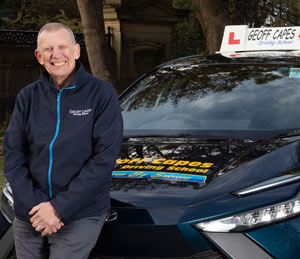
Geoff’s Advice for Learning to Drive Later in Life
If you’re thinking about starting lessons but feel that you’re too old, here’s what I’d suggest.
Don’t compare yourself to younger learners. You’re learning to drive for your own reasons, not competing with anyone else.
Find an instructor you feel comfortable with. Being able to ask questions, make mistakes and have a laugh occasionally makes a real difference.
Be patient with yourself. Some things will come naturally, while others will take practice. That’s perfectly normal.
Try to have lessons regularly. Consistency can help you remember what you’ve learnt and build confidence between sessions.
Don’t put unnecessary pressure on yourself. There’s no prize for passing in the fewest lessons. The aim is to become a safe, independent driver.
And perhaps most importantly, don’t let the fear of being an older learner stop you from getting started.
So, Is It Better to Learn to Drive When You’re Younger or Older?
Neither, really.
There are advantages and challenges at every age, but there’s no magic age that guarantees someone will find learning easy or become a better driver.
What matters is your attitude, your willingness to learn and having the right support.
Over the years, I’ve taught learners with all sorts of backgrounds, abilities and experiences. Some have been eager to get on the road at 17, while others have waited decades before deciding the time was right.
And there’s something particularly rewarding about helping someone achieve something they thought they’d left too late.
So, if you’ve been putting off learning to drive because you think you’re too old, my advice is simple.
Give it a go. You might surprise yourself.
Thinking About Starting Driving Lessons?
At Geoff Capes Driving School, we welcome learners of all ages and abilities.
Our friendly, experienced instructors offer patient, professional lessons, whether you’re a complete beginner, returning after a long break or feeling a little nervous about getting started.
We offer manual and automatic lessons across Stockport, Macclesfield and other areas we cover.
If you’d like to find out more, call our friendly office on 0161 327 2105. We’ll be happy to discuss your circumstances and help you take that first step.
After all, you’re never too old to learn something new – especially something that could give you a whole new sense of freedom.
